icon
Have any questions?
Call: 09668200222
ISO 27001:2026 Readiness Guide for Organisations
Cyber Security Compliance

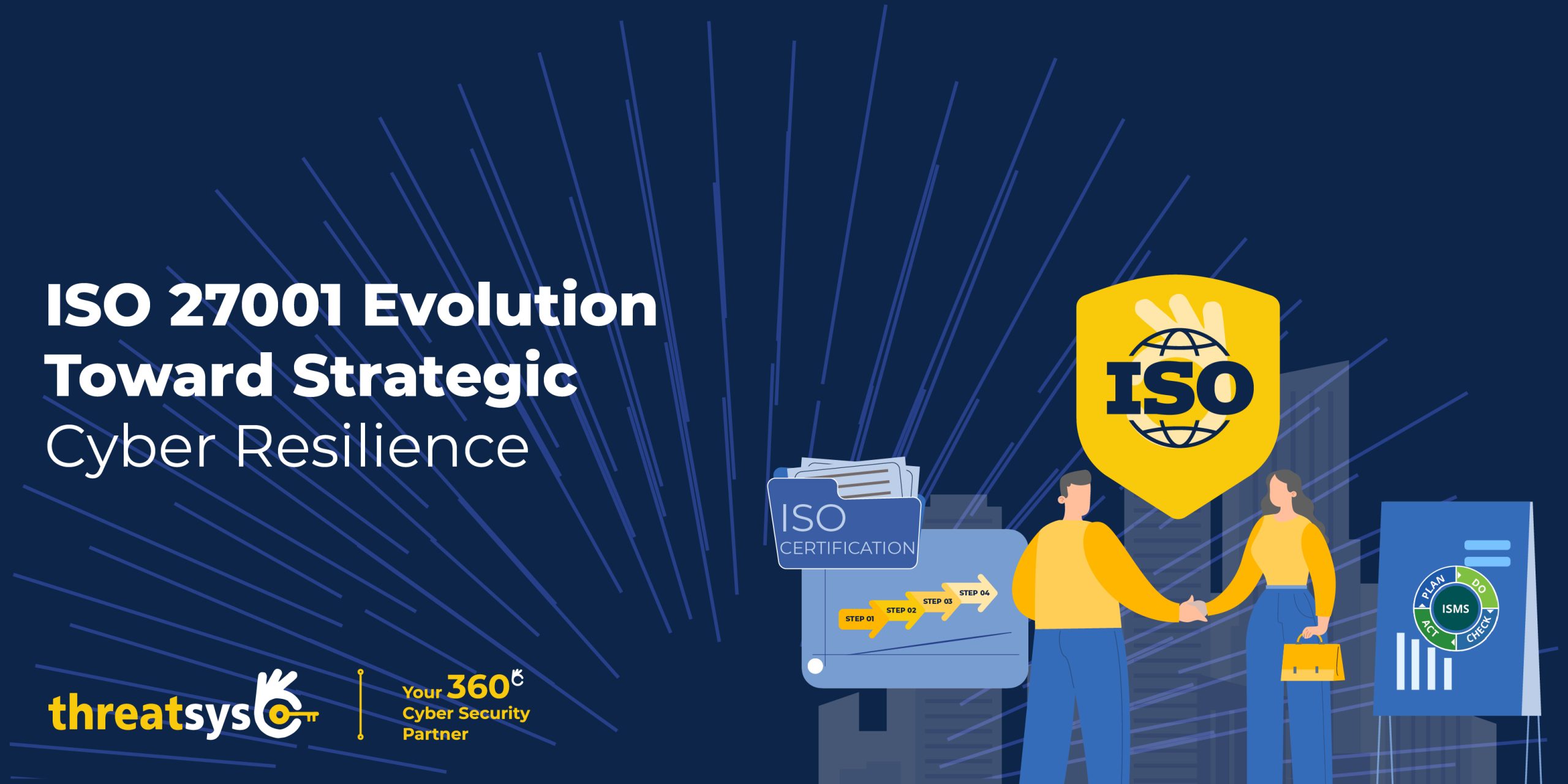
ISO 27001:2026 Readiness: How Organisations Can Prepare for the Next Evolution of Information Security

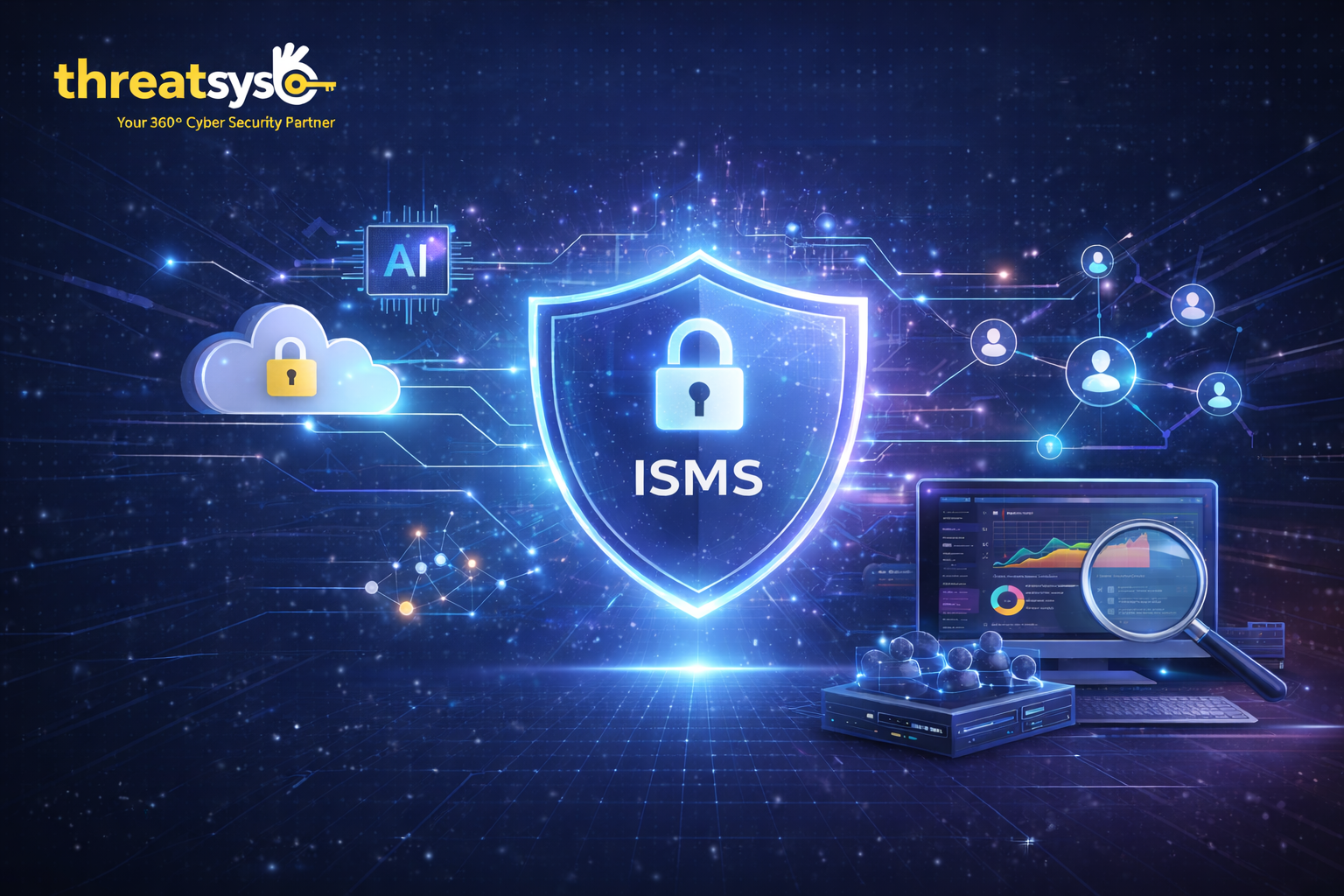
As cyber risks continue to evolve alongside cloud adoption, artificial intelligence, and expanding digital supply chains, organisations must rethink how they approach information security. Static compliance models are no longer sufficient. Businesses now require an adaptive, risk-driven Information Security Management System (ISMS) that can respond to modern threats in real time.

While the latest officially published standard is ISO/IEC 27001:2022, industry discussions increasingly point toward further evolution of the framework in the coming years. Many organisations are already preparing for what is informally referred to as “ISO 27001:2026 readiness” , a forward-looking approach focused on governance maturity, continuous monitoring, and next-generation security controls.

At Threatsys, we help organisations align their ISMS with both current ISO requirements and anticipated future expectations. Below is a structured roadmap to prepare in a practical and sustainable manner.
The Current Status of ISO 27001 and Its Expected Evolution

ISO/IEC 27001:2022 was officially released in October 2022, replacing ISO 27001:2013. Organisations certified under the 2013 version were given a three-year transition period, with migration required by October 2025.

Although no official ISO 27001:2026 version has been published, ISO standards are typically reviewed every five to seven years. Given the rapid transformation in cloud computing, AI governance, and supply chain complexity, further updates are widely anticipated.

Forward-thinking organisations are therefore strengthening their ISMS today to remain aligned with both current compliance and future regulatory expectations.

Understanding the Direction of the Next ISO 27001 Evolution

ISO 27001:2026 Readiness Guide for Organisations

The direction of ISO 27001’s evolution is clear: stronger integration between security and business strategy.

The standard increasingly emphasises leadership accountability, contextual risk management, operational resilience, and continuous monitoring. Security is no longer treated as a standalone IT responsibility ,it is embedded into enterprise-wide governance structures.

Organisations that treat ISO 27001 as a strategic framework rather than a certification checklist achieve greater long-term maturity.

Conducting a Comprehensive Gap Assessment

The foundation of readiness begins with a structured gap assessment. This involves evaluating the current ISMS against ISO/IEC 27001:2022 requirements while identifying areas that may require enhancement to meet emerging expectations.

A well-executed assessment reviews:

  • Control implementation effectiveness
  • Documentation completeness and accuracy
  • Risk assessment methodologies
  • Governance oversight mechanisms

This process provides clarity on priority actions and enables leadership to allocate resources strategically. Without a clear roadmap, compliance initiatives often become reactive and fragmented.

Strengthening Governance and Management Accountability

Senior leadership must demonstrate active oversight of the ISMS, approve policies, and review security performance at defined intervals.

Clear role definitions, measurable security objectives, and regular management reviews ensure that information security aligns with business goals and risk appetite.

When governance structures are strong, certification becomes a natural outcome of disciplined operations rather than a short-term compliance exercise.

Modernising Risk Assessment and Risk Treatment

Risk management remains the foundation of ISO 27001. However, expectations now extend beyond annual assessments. Organisations must adopt continuous, context-aware risk processes that reflect dynamic digital environments.

Modern risk considerations include cloud infrastructure, SaaS platforms, third-party dependencies, AI-driven automation, and data protection obligations.

Risk treatment plans should be measurable, documented, and periodically reviewed to ensure they remain effective as threat landscapes evolve.

Implementing Next-Generation Security Controls

Security controls must evolve alongside technology adoption. Identity and access management, secure cloud configuration, encryption standards, and secure development practices should be embedded into operational workflows.

Controls implemented solely for audit documentation provide limited value. Instead, they must function effectively within real business processes to reduce actual risk exposure.

By integrating security into system design, procurement decisions, and development lifecycles, organisations build resilience that extends beyond certification.

Continuous Monitoring and Incident Preparedness

ISO 27001:2026 Readiness Guide for Organisations

A defining characteristic of modern ISMS maturity is continuous visibility. Organisations are expected to maintain structured incident management frameworks supported by monitoring and detection capabilities.

Effective logging mechanisms, defined response procedures, and periodic incident simulations strengthen preparedness. The ability to detect, respond, and recover quickly has become as critical as prevention itself.

This shift reflects the reality that resilience not perfection defines strong information security governance.

Managing Third-Party Risk and Business Resilience

Supply chain security has emerged as a central concern. Organisations must evaluate vendor security posture, enforce contractual safeguards, and monitor third-party risks throughout the engagement lifecycle.

In parallel, business continuity and disaster recovery planning must be regularly tested. Demonstrating operational resilience strengthens stakeholder trust and aligns with evolving ISO expectations.

Maintaining Documentation and Driving Continuous Improvement

Documentation remains fundamental to certification readiness. Policies, risk registers, internal audit records, and Statements of Applicability must accurately reflect operational practices.

Internal audits and management reviews should be leveraged to drive measurable improvement rather than simply satisfy procedural requirements. Continuous improvement ensures the ISMS adapts to new technologies, business models, and threat vectors.

How Threatsys Supports ISO 27001 Readiness

ISO 27001:2026 Readiness Guide for Organisations

Threatsys supports organisations across the complete ISO 27001 lifecycle by:

  • Conducting ISO 27001:2026–aligned gap assessments and readiness evaluations

  • Designing and implementing next-generation security controls aligned with evolving threat landscapes

  • Strengthening ISMS governance through robust risk management, policies, and documentation

  • Securing cloud environments, applications, APIs, and critical infrastructure assets

  • Developing incident response frameworks and conducting cyber resilience drills

  • Supporting internal audits, management reviews, and certification readiness activities

Our approach ensures organisations achieve not just compliance, but long-term cyber resilience against emerging and advanced threats.

Conclusion

ISO 27001 continues to evolve in response to emerging technologies and expanding digital risk. While ISO/IEC 27001:2022 remains the current official standard, forward-looking organisations are already preparing for the next phase of security maturity. By strengthening governance, modernising risk assessment practices, embedding next-generation controls, and prioritising continuous monitoring, organisations can transform ISO readiness into a strategic advantage.

With structured preparation and expert guidance, ISO 27001 readiness becomes more than a compliance requirement , it becomes a foundation for sustainable information security excellence.
Contact US Threatsys

Stay secure, stay aware with Threatsys.
 

Leave a Reply

Your email address will not be published. Required fields are marked *