
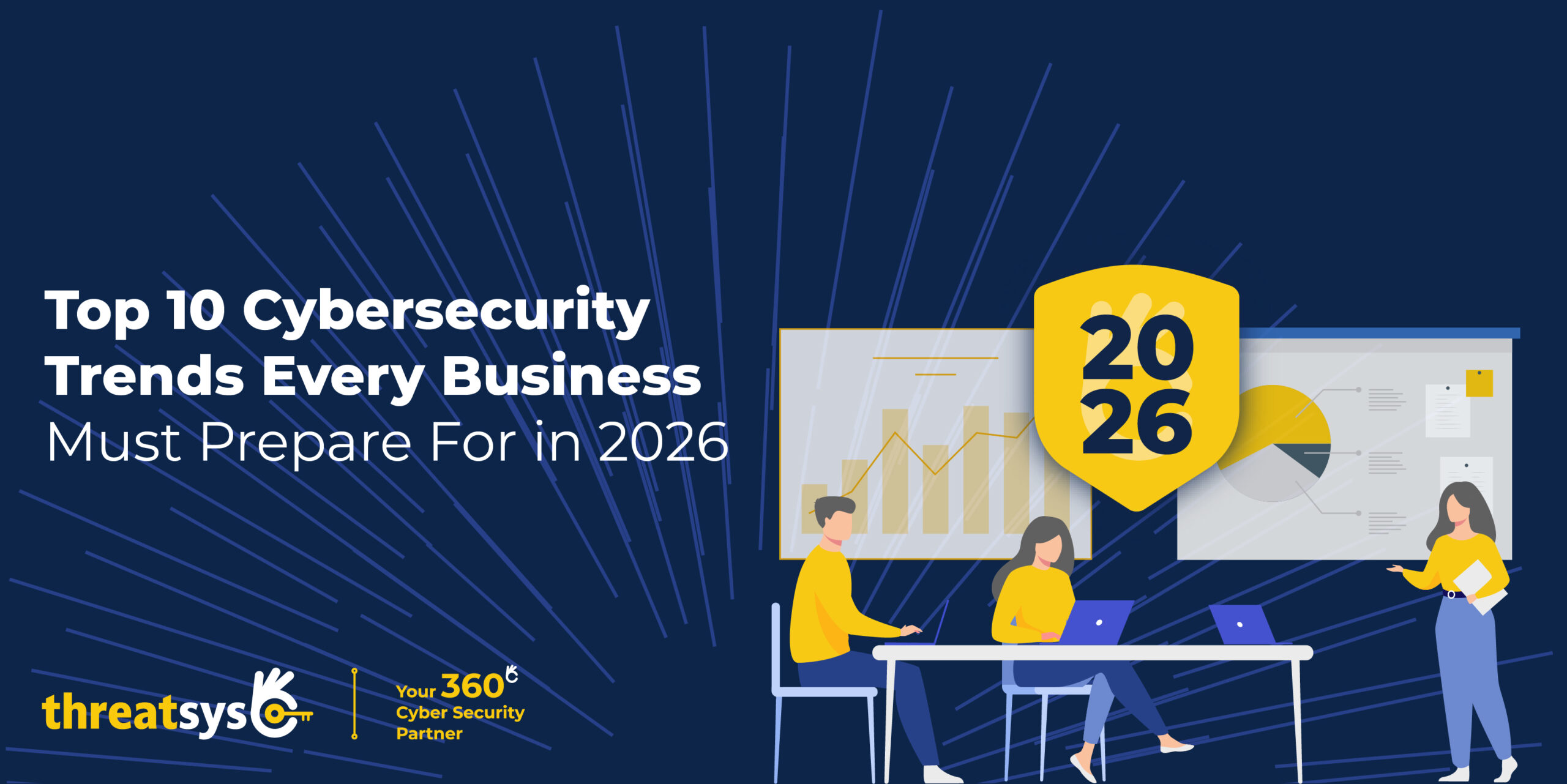

Cybersecurity in 2026 will no longer be defined by isolated attacks or individual vulnerabilities. It will be shaped by automation, identity-centric threats, regulatory pressure, and the ability to recover fast. Threat actors are moving at machine speed, while organizations are being forced to rethink how security is designed, measured, and governed.
The coming year will separate reactive security programs from those built for resilience. Below are the key cybersecurity trends and predictions that will define 2026, and why they matter for modern organizations.
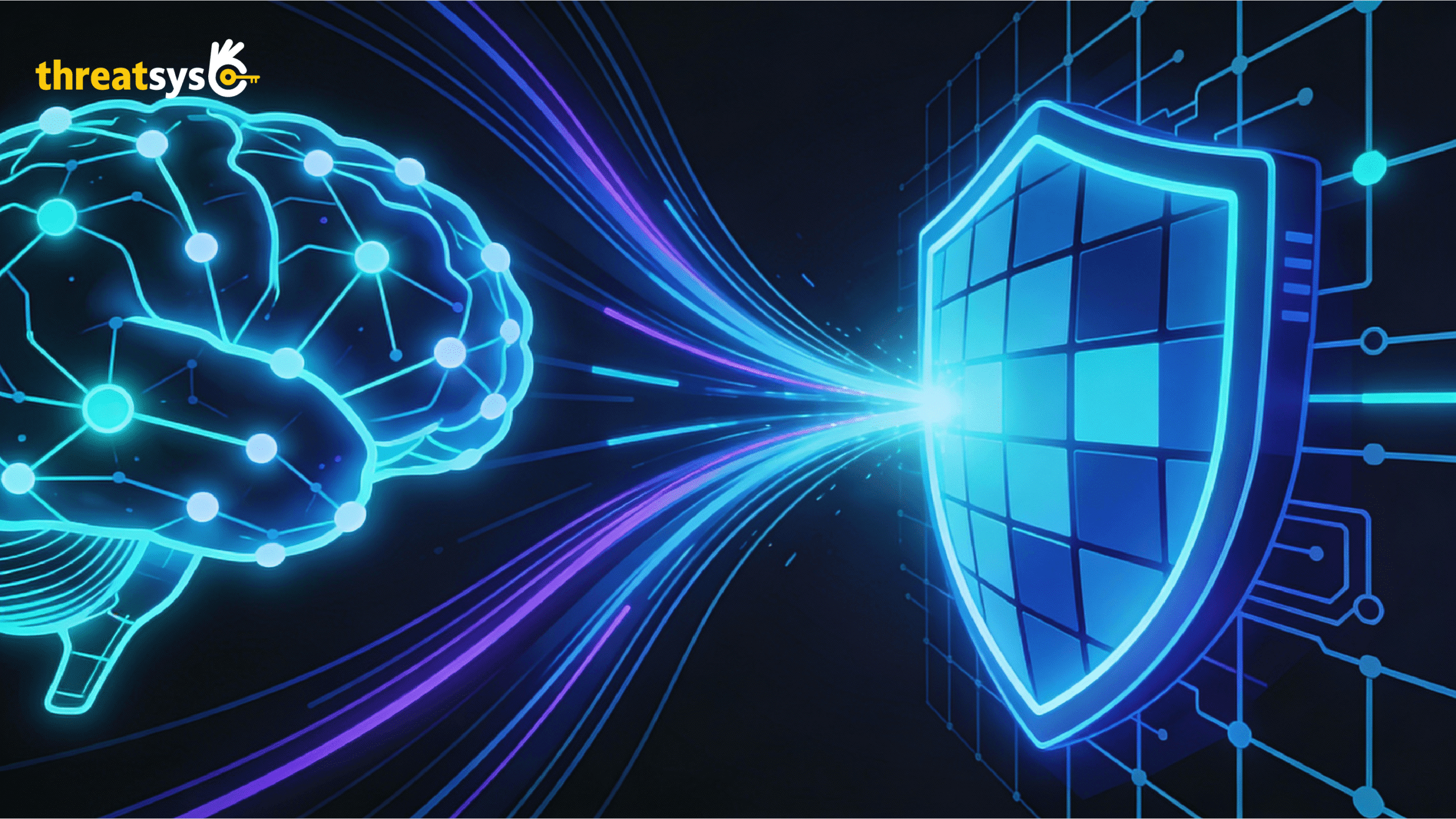
1. AI Becomes the Core Engine of Cyberattacks
Artificial intelligence is no longer just assisting attackers , it is powering entire attack chains. From reconnaissance and vulnerability discovery to phishing content generation and deepfake impersonation, AI enables cybercriminals to operate faster and at unprecedented scale.
These attacks are increasingly adaptive, capable of adjusting tactics in real time to bypass traditional defenses. Static security controls struggle to keep pace with this level of automation.
2. Ransomware Reaches Its Most Aggressive Phase
Ransomware in 2026 is not just about encryption. Attackers now focus on data theft, double and triple extortion, and public pressure tactics. Even organizations with strong backups are being forced into difficult decisions due to regulatory exposure and reputational risk.
The growth of Ransomware-as-a-Service continues to lower the barrier to entry, expanding the threat landscape across industries and geographies.
3. Identity Becomes the Primary Attack Vector
As organizations move deeper into cloud, SaaS, and hybrid environments, identities have replaced networks as the main attack surface. Stolen credentials, session hijacking, and privilege escalation are now the leading causes of breaches.
Once attackers gain legitimate access, they often operate undetected for long periods, blending in with normal user activity.
4. Compliance Shifts Toward Continuous Security Assurance
Traditional point-in-time audits are no longer sufficient. Regulators and frameworks are increasingly pushing for continuous evidence of security controls, real-time monitoring, and demonstrable risk management.
Cybersecurity compliance is evolving into an ongoing operational discipline rather than an annual checklist exercise.
5. Supply Chain Attacks Continue to Scale
Attackers are increasingly targeting software vendors, cloud platforms, and managed service providers to maximize impact. A single compromised update or trusted connection can cascade across hundreds of organizations.
Supply chain risk has become one of the most difficult challenges to detect and manage due to its indirect nature.
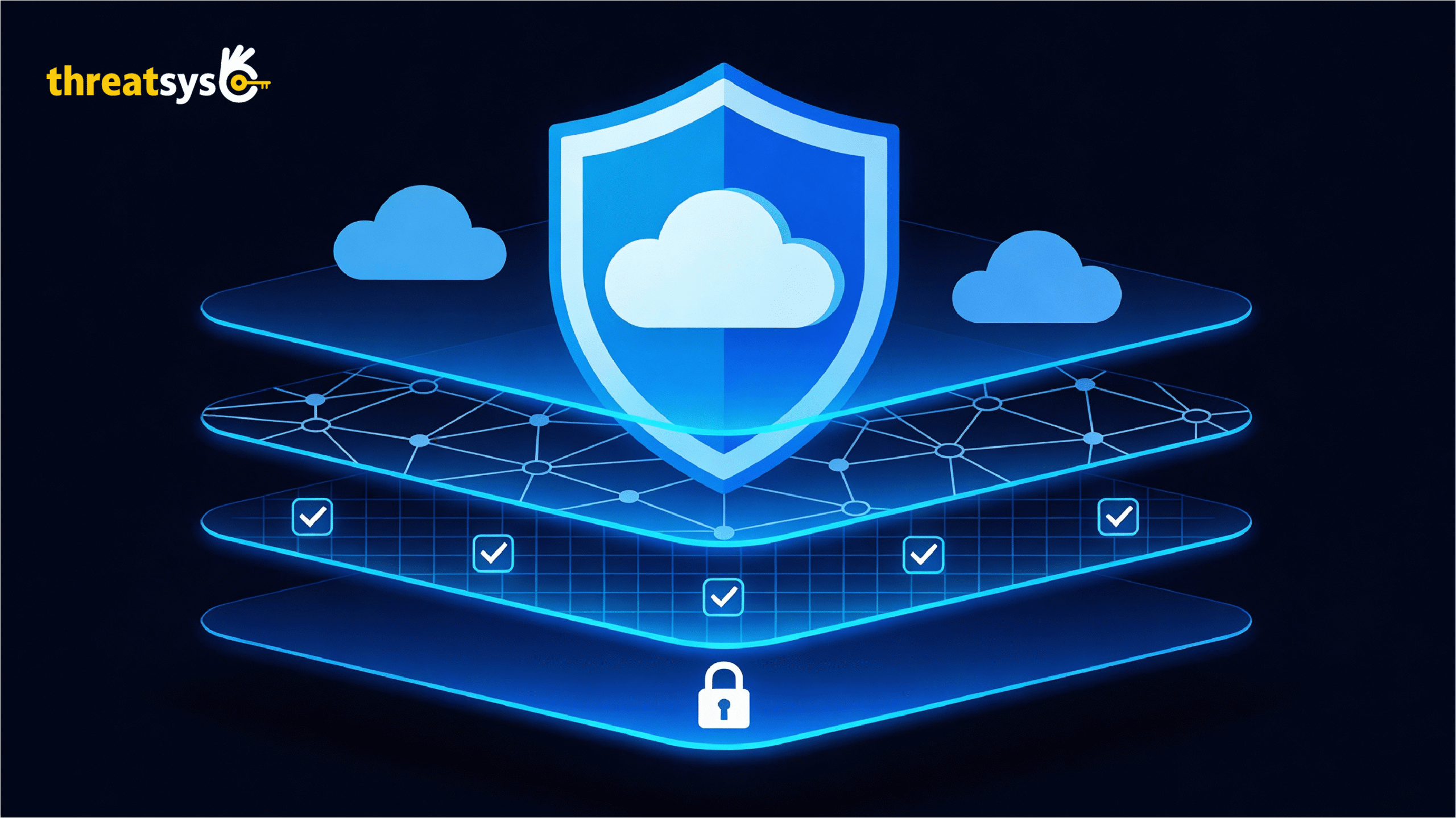
6. Encryption Faces New Pressure in a Post-Quantum World
While large-scale quantum computing is still emerging, attackers are already preparing for it. Sensitive encrypted data is being harvested today with the expectation that it can be decrypted in the future.
Organizations are being pushed to evaluate cryptographic assets and begin planning for quantum-resistant encryption sooner than expected.
7. Security Tool Sprawl Gives Way to Consolidation
Many organizations operate dozens of disconnected security tools, leading to alert fatigue and blind spots. In 2026, there is a strong shift toward unified, intelligence-driven security platforms that reduce complexity and improve visibility.
Security teams are prioritizing outcomes over tool counts.
8. Encrypted Traffic Visibility Becomes a Balancing Act
As more traffic becomes encrypted by default, organizations face a growing challenge: maintaining visibility without violating privacy or compliance requirements.
Finding the balance between inspection, performance, and regulatory expectations will be a defining security discussion in 2026.
9. Cyber Resilience Moves to the Boardroom
Prevention alone is no longer the primary measure of success. Boards and executives are increasingly focused on resilience metrics so, how quickly an organization can detect, contain, and recover from an incident.
Incident response readiness, recovery planning, and business continuity are now executive-level concerns.
10. Security Becomes a Business Enabler, Not a Barrier
In 2026, cybersecurity is no longer viewed as a cost center. Organizations that embed security into innovation, digital transformation, and growth strategies gain a competitive advantage.
Security maturity directly impacts trust, brand reputation, and long-term sustainability.
How Threatsys Helps Organizations Stay Ahead

At Threatsys, cybersecurity is approached as a continuous, evolving discipline that not a one-time deployment. By combining advanced security testing, threat intelligence, and compliance-aligned strategies, Threatsys helps organizations:
- Identify real-world risks across applications, APIs, cloud, and infrastructure
- Strengthen identity security and access governance
- Detect advanced threats, including AI-driven and supply-chain attacks
- Improve ransomware preparedness and incident response capabilities
- Align security programs with global regulatory and compliance frameworks
- Build long-term cyber resilience through continuous assessment and improvement
As cyber threats become more automated and complex, organizations need security partners that think ahead, not just react. Threatsys focuses on anticipation, preparedness, and resilience, helping businesses navigate the cybersecurity challenges of 2026 with confidence.
Conclusion
The threats of 2026 are not incremental , they’re transformational. AI, identity-centric risk, extortion-based ransomware, and expanded digital perimeters force organizations to rethink security from the ground up.
At Threatsys, we help organizations turn evolving cyber risks into actionable defense strategies. Through continuous security assessment and intelligence-driven testing, we enable stronger, more resilient security postures. The focus is on staying adaptive, compliant, and future-ready. Security teams need agility, predictive analytics, and continuous validation to succeed. For businesses ready to rewire their defense strategy, the future isn’t just survivable , it’s defensible.
Stay secure, stay aware with Threatsys.