
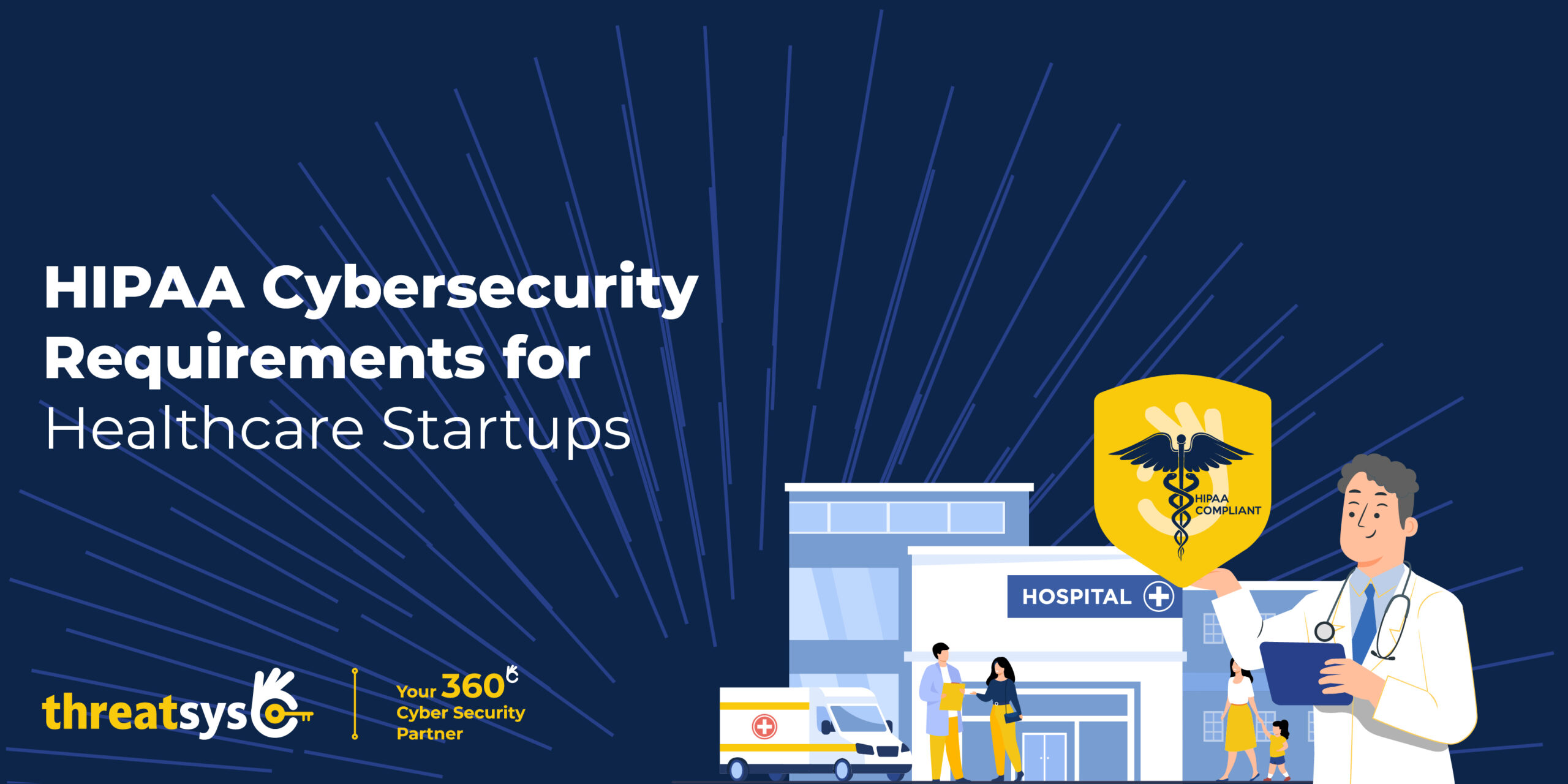

Healthcare startups are reshaping the future of patient care through digital platforms, telemedicine, AI-driven diagnostics, and health data analytics. However, with innovation comes a significant responsibility, protecting sensitive patient information. For any healthcare startup handling electronic Protected Health Information (ePHI), compliance with HIPAA cybersecurity requirements is critical.
Failing to meet HIPAA standards can result in data breaches, regulatory penalties, legal action, and loss of trust. This blog explains HIPAA cybersecurity requirements clearly and outlines how healthcare startups can meet them effectively ,with the right cybersecurity partner.
Understanding HIPAA and Its Importance for Startups
The Health Insurance Portability and Accountability Act (HIPAA) establishes national standards to safeguard patient data in the United States. HIPAA applies not only to hospitals and clinics but also to healthcare startups, SaaS providers, health apps, telehealth platforms, and technology vendors that access or process ePHI.
For startups, HIPAA compliance is essential to:
- Protect patient privacy and sensitive medical data
- Build trust with healthcare providers and enterprise clients
- Secure funding and partnerships
- Avoid heavy fines and reputational damage
HIPAA compliance is not optional,even early-stage startups must implement adequate cybersecurity controls.
Core HIPAA Cybersecurity Requirements

HIPAA cybersecurity requirements are defined under the HIPAA Security Rule, which focuses on protecting electronic health information through three types of safeguards.
1. Administrative Safeguards
Administrative safeguards focus on policies, procedures, and governance to manage security risks.
Key requirements include:
- Conducting regular HIPAA risk assessments
- Identifying potential threats and vulnerabilities
- Implementing incident response and breach notification plans
- Assigning security responsibilities
- Providing ongoing employee security training
For startups, documenting these policies early helps prevent compliance gaps as the organization scales.
2. Physical Safeguards
Physical safeguards protect the physical infrastructure and devices that store or access ePHI.
Key requirements include:
- Controlled access to offices, data centers, and servers
- Secure workstation usage policies
- Device and media controls for laptops, mobile devices, and backups
- Procedures for lost or stolen devices
With remote and cloud-based teams becoming common, physical security must extend beyond traditional office spaces.
3. Technical Safeguards
Technical safeguards are the foundation of HIPAA cybersecurity and the most critical area for startups.
Key requirements include:
- Access controls with role-based permissions
- Strong authentication and multi-factor authentication (MFA)
- Encryption of data at rest and in transit
- Audit logs to track system activity
- Secure APIs and protected data transmission
HIPAA does not mandate specific tools,but it requires that security measures be effective, monitored, and documented.
Common Cybersecurity Challenges Faced by Healthcare Startups
Healthcare startups often operate under tight timelines and limited resources, which can introduce security risks. Rapid product development, cloud misconfigurations, insecure APIs, third-party integrations, and limited in-house cybersecurity expertise are common challenges.
Cybercriminals actively target healthcare startups because patient data is highly valuable and security controls may not yet be fully mature. Without a proactive approach, even small vulnerabilities can lead to major incidents.
How Threatsys Helps Healthcare Startups Achieve HIPAA Compliance

Threatsys specializes in helping healthcare organizations and startups build HIPAA-compliant cybersecurity frameworks that are scalable, auditable, and resilient.
HIPAA Risk Assessment & Gap Analysis
Threatsys conducts detailed HIPAA risk assessments to identify security gaps, vulnerabilities, and compliance risks across applications, cloud infrastructure, and workflows.
Security Architecture & Implementation
We design and implement HIPAA-aligned security controls, including:
- Identity and access management
- Encryption strategies
- Secure cloud configurations
- Network and application security
Continuous Monitoring & Threat Detection
Threatsys provides ongoing security monitoring to detect threats in real time, helping startups prevent breaches before they escalate.
Incident Response & Compliance Support
Our experts help startups prepare incident response plans, manage security events, and support compliance audits with proper documentation and reporting.
Scalable Compliance for Growth
As startups grow, Threatsys ensures that cybersecurity and HIPAA compliance scale seamlessly ,without slowing innovation or operations.
Why Early HIPAA Compliance Is a Strategic Advantage
Early investment in HIPAA cybersecurity helps healthcare startups reduce long-term compliance costs, prevent security incidents during rapid growth, and improve credibility with healthcare clients and enterprise partners. It also strengthens investor confidence and accelerates onboarding with regulated organizations.
Security should not be an afterthought,it should be embedded into the foundation of every healthcare startup.
Conclusion
HIPAA cybersecurity requirements are essential for healthcare startups operating in today’s data-driven healthcare ecosystem. Compliance is not just about meeting regulations,it’s about protecting patients, ensuring business continuity, and building long-term trust.
By adopting a proactive cybersecurity approach and partnering with experts like Threatsys, healthcare startups can confidently innovate while staying secure, compliant, and future-ready.
Stay secure, stay aware with Threatsys.