
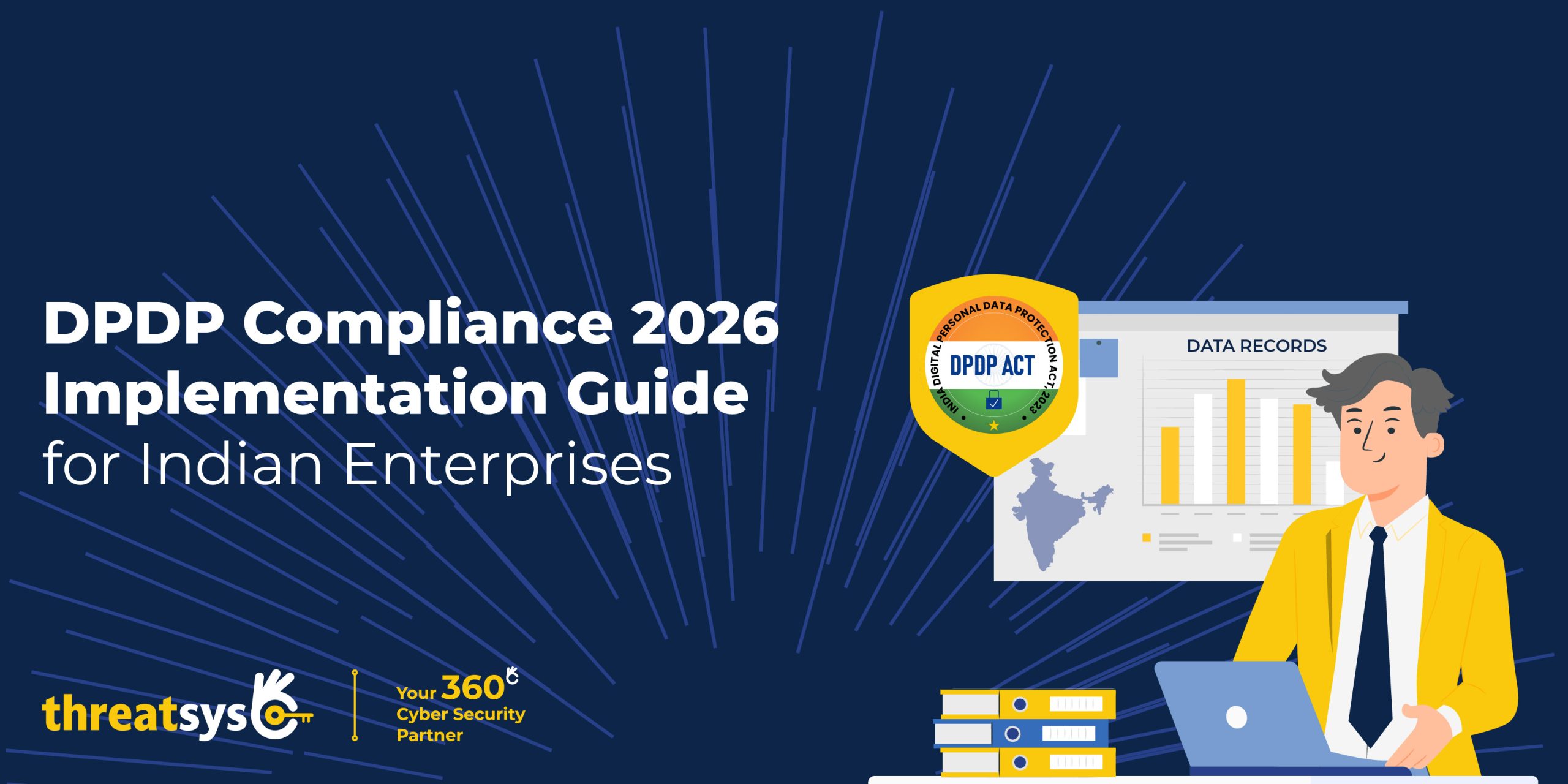

India’s data privacy landscape is entering a decisive phase with the enforcement of the Digital Personal Data Protection (DPDP) Act, 2023. As organizations step into 2026, compliance is no longer just a regulatory checkbox , it has become a business-critical function that directly impacts trust, reputation, and long-term growth.
With digital ecosystems expanding rapidly across fintech, healthcare, e-commerce, and enterprise platforms, the scale of personal data processing has increased significantly. At the same time, users are becoming more aware of their rights, and regulators are expected to enforce stricter controls.
To navigate this shift, organizations need a structured approach that blends policy, technology, and operational discipline.
Below are the 5 key DPDP compliance pillars enterprises must focus on in 2026.
1. Build Consent-Centric Data Practices
At the heart of the DPDP Act is the idea that individuals must have control over their personal data. This means organizations can no longer rely on vague or bundled consent mechanisms. Instead, consent must be specific, informed, and easy to manage.
A strong consent framework ensures that users clearly understand how their data is being used while giving organizations a defensible compliance position.
To achieve this, businesses should focus on:
- Clear and transparent consent notices that explain purpose in simple language, avoiding legal jargon that users typically ignore.
- Easy withdrawal mechanisms, ensuring users can revoke consent as easily as they give it, without friction.
- Consent tracking and auditability, where every consent action is logged and can be demonstrated during audits or regulatory reviews.
When implemented correctly, consent management becomes more than compliance — it becomes a trust-building mechanism.
2. Adopt Data Minimization & Purpose Limitation
One of the biggest mindset shifts introduced by DPDP is moving away from excessive data collection. Organizations that continue to collect unnecessary data will not only struggle with compliance but also increase their risk exposure.
Instead, businesses must adopt a purpose-driven data strategy, where every data point collected has a clear justification and lifecycle.
This requires organizations to:
- Define strict data retention policies, ensuring data is not stored indefinitely without purpose.
- Eliminate redundant or unused data, reducing storage risk and compliance complexity.
- Automate deletion workflows, so data is removed once its intended use is fulfilled.
By reducing the volume of stored data, organizations naturally lower the impact of potential breaches and simplify governance.
3. Strengthen Security & Breach Preparedness
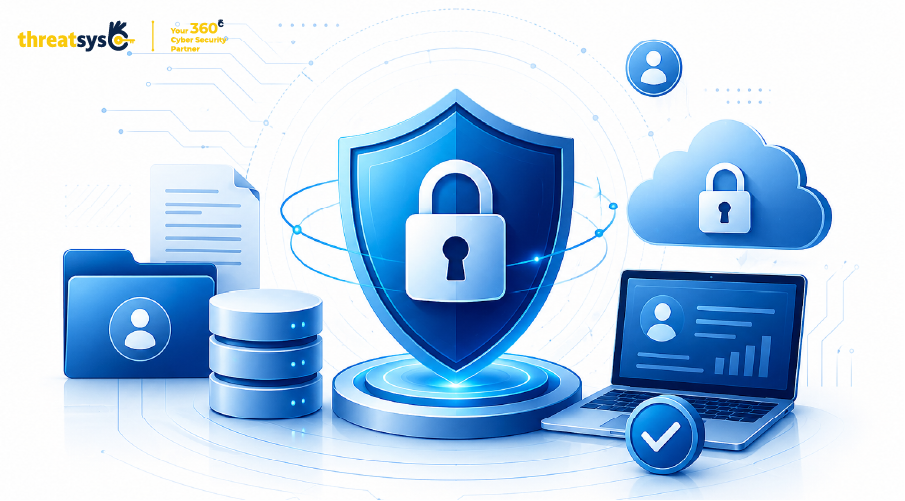
In 2026, data protection is not just about preventing breaches — it is about being fully prepared to respond when they occur. Attackers are becoming faster and more sophisticated, making it critical for organizations to combine prevention with readiness.
A strong security posture must be supported by clearly defined response mechanisms.
Organizations should ensure:
- Encryption is consistently applied to sensitive data, both at rest and during transmission, reducing exposure even if systems are compromised.
- Access is tightly controlled, using role-based models and least-privilege principles to limit internal misuse.
- Continuous monitoring is in place, enabling early detection of suspicious activity before it escalates.
At the same time, a well-defined breach response strategy is essential , including internal escalation, regulatory notification, and user communication. A fast, transparent response can significantly reduce damage and maintain credibility.
4. Manage Third-Party & Vendor Risks
Modern enterprises operate in highly interconnected environments where third parties handle significant portions of data processing. However, under DPDP, responsibility cannot be transferred , it remains with the organization that collects the data.
This makes vendor risk management a critical part of the compliance strategy.
To address this, organizations must:
- Conduct thorough vendor assessments, evaluating how third parties handle, store, and secure personal data.
- Establish strong contractual safeguards, including Data Processing Agreements that clearly define responsibilities and liabilities.
- Continuously monitor vendor practices, rather than relying on one-time evaluations.
A single vulnerable vendor can compromise an otherwise secure system, making this area impossible to ignore.
5. Move Towards Continuous Compliance & Governance
A common mistake organizations make is treating compliance as a one-time implementation project. In reality, DPDP compliance is an ongoing process that evolves with business operations, technology, and regulatory expectations.
Organizations must build a governance model that ensures consistency and adaptability over time.
This involves:
- Regular compliance audits, identifying gaps and ensuring policies are being followed in practice.
- Employee awareness and training, so teams understand their role in protecting personal data.
- Embedding privacy into processes, adopting a privacy-by-design approach across systems and workflows.
When compliance becomes part of everyday operations, organizations move from reactive fixes to proactive risk management.
How Threatsys Technologies Supports DPDP Compliance

Organizations today need more than theoretical guidance , they need practical, execution-driven support that aligns compliance with real business operations. This is where Threatsys brings value, helping enterprises move beyond documentation and actually implement DPDP requirements in a structured and scalable way.
Threatsys enables organizations to operationalize DPDP compliance through a well-defined, end-to-end approach:
- DPDP readiness assessment and gap analysis – Evaluating current data practices, identifying compliance gaps, and mapping them against DPDP requirements to create a clear, actionable roadmap.
- Data discovery and classification across systems – Gaining complete visibility into where personal data resides, how it flows, and how critical it is, enabling better control and risk prioritization.
- Policy development and governance framework setup – Designing practical privacy policies, consent frameworks, and governance structures that are aligned with both regulatory expectations and business workflows.
- Security implementation and risk mitigation – Strengthening data protection through encryption, access controls, and monitoring mechanisms to reduce exposure and ensure regulatory compliance.
- Continuous monitoring and audit support – Establishing ongoing compliance tracking, regular audits, and reporting mechanisms to ensure that compliance is not a one-time effort but a sustained practice.
Conclusion
The implementation of the DPDP Act marks a turning point in India’s data protection journey. In 2026, compliance is no longer about avoiding penalties , it is about building systems that respect user privacy, withstand modern threats, and inspire confidence. Organizations that take a proactive approach will not only reduce risk but also position themselves as trusted players in a data-driven economy.
Because going forward, privacy will not be a feature — it will be the foundation.
To stay ahead, businesses must adopt proactive, intelligence-driven security strategies that simulate real-world threats and continuously validate their defenses. With Threatsys , organizations can build a resilient and future-ready security framework—ensuring their systems remain protected in an increasingly connected world.

Stay secure,
Stay aware with Threatsys.